
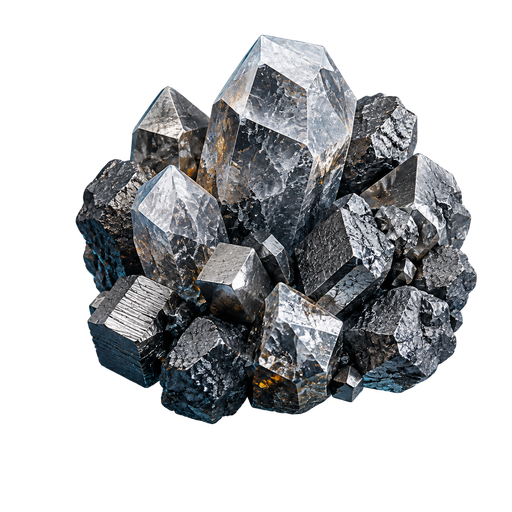
01 / Chain stage
What are the materials?
The mined and refined inputs every component downstream is built from — copper, silicon, rare earths, specialist substrates and structural steel.
(In simple terms: the physical ingredients everything else is made of.)
Why AI needs it
An AI data centre is an enormous quantity of ordinary matter. Before anything computes, somebody has to dig up copper for the busbars, refine silicon for the wafers, and pour concrete for a building that can carry the weight and heat of the racks inside it.
How it works
- Ore is mined and concentrated close to where it is found.
- Refiners purify it to the grade electronics need, which is far higher than construction grade.
- Specialist producers grow or cast the substrates that chips and lasers are later built on.
- The refined output is sold on to component makers, rarely to the data-centre operator itself.
Inputs and outputs
- Made of
- Copper, silicon, gallium, indium, rare-earth elements, steel, aluminium and concrete.
- Takes in
- Ore bodies, energy and refining capacity.
- Produces
- Refined metals and electronic-grade substrates.
Where it gets stuck
Refining capacity for the specialist substrates is concentrated in very few plants, and new capacity takes years to permit and commission. A shortage here reaches the data centre through several intermediaries, so it shows up late and is hard to attribute.
A general statement about the technology. It is not a claim about any named project — where T2C can evidence a specific delay, it appears in the intelligence ledger with its source.
Where it sits in the chain
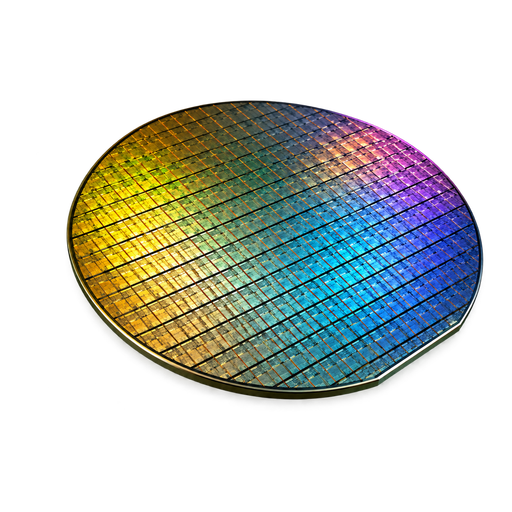
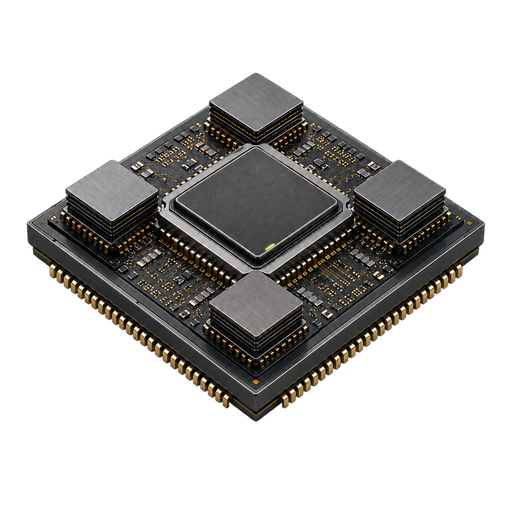
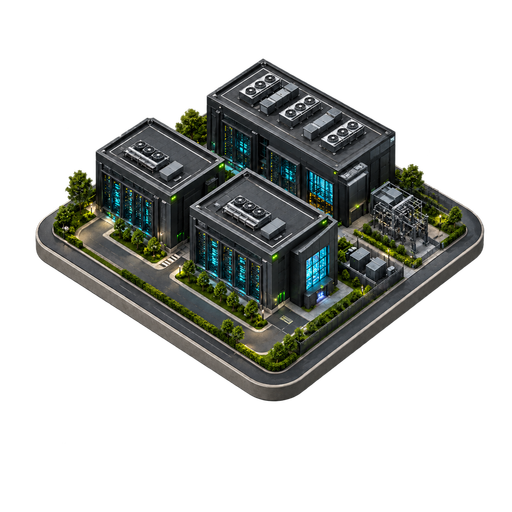

Who sells to whom. Miners and refiners sell to component makers.
T2C tracks the delivery end of this chain. An upstream stage is shown as having happened — capacity cannot be billing unless the parts were made — and simultaneously as untracked, because no supplier, order or shipment record sits behind it.
Public companies in this area
T2C holds no sourced supplier record for this component yet.
Glossary
Every term that appears above, defined. Each opens in place.
-
The compound semiconductor optical lasers are grown on.
indium phosphide
A compound of indium and phosphorus. Unlike silicon it emits light efficiently, which makes it the base material for the lasers carrying data inside AI clusters.
Related signals
T2C holds no sourced signal for Materials. The intelligence ledger covers the delivery end of the chain — sites, acceptance and billing — so an upstream stage has nothing on file rather than something thin. Why coverage stops here