Who is delivering?
Ranked by the furthest delivery stage T2C can verify — not by announced capacity or share price. Ties are broken by the earlier evidenced date, then by ticker.

The physical race behind AI
See who supplies what, where the bottlenecks are, what has actually shipped—and when infrastructure starts earning.
Play the AI Time Machine Five campaigns, 34 real turning points, fictional capital. Educational only.
 Materials
the physical ingredients everything else is made of
Happened
7 node types mapped, no supplier record
What is this?
Materials
the physical ingredients everything else is made of
Happened
7 node types mapped, no supplier record
What is this?
 Wafers
the discs that chips are printed on and then cut out of
Happened
6 node types mapped, no supplier record
What is this?
Wafers
the discs that chips are printed on and then cut out of
Happened
6 node types mapped, no supplier record
What is this?
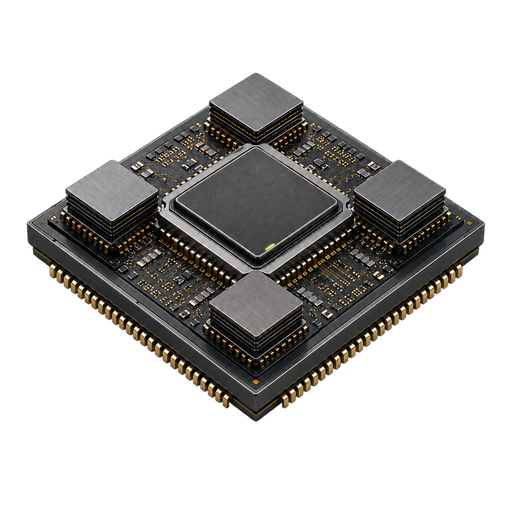 Chips + HBM
the compute engine, with its fast memory bolted alongside it
Happened
10 node types mapped, no supplier record
Specialty processes · Compute silicon and systems
What is this?
Chips + HBM
the compute engine, with its fast memory bolted alongside it
Happened
10 node types mapped, no supplier record
Specialty processes · Compute silicon and systems
What is this?
 Photonics
it replaces electrical data movement with beams of light
7 suppliers
2 with a confirmed award
What is this?
7 suppliers on file
Photonics
it replaces electrical data movement with beams of light
7 suppliers
2 with a confirmed award
What is this?
7 suppliers on file
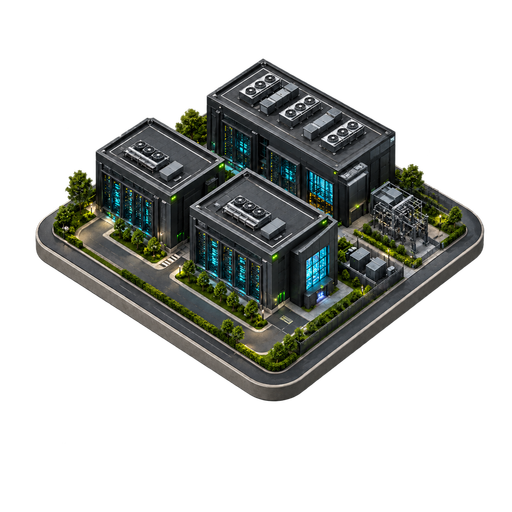 AI Factory
the data centre, from empty field to running machines
23 sites
6 operators tracked
Power · Cooling and thermal · Facility and construction · Operators
What is this?
23 sites on file
AI Factory
the data centre, from empty field to running machines
23 sites
6 operators tracked
Power · Cooling and thermal · Facility and construction · Operators
What is this?
23 sites on file
 Accepted
the customer has checked it works and agreed to take it
2 sites
Formally accepted by a customer
What is this?
2 sites on file
Accepted
the customer has checked it works and agreed to take it
2 sites
Formally accepted by a customer
What is this?
2 sites on file
 Revenue
the operator can finally record the money
2 operators
Have disclosed billing capacity
What is this?
2 operators on file
Revenue
the operator can finally record the money
2 operators
Have disclosed billing capacity
What is this?
2 operators on file
Every megawatt now billing depended on materials, wafers, chips and optics that were certainly made — you cannot bill for compute that was never built. T2C maps the whole chain, 43 node types across 10 stages, and holds sourced supplier records at the delivery end: the optics, the operators, the sites and the billing. Upstream is mapped and described without a supplier record, and says so rather than claiming one. How the chain is tracked
Copper, substrates, rare earths and steel are mined and refined into the components everything downstream is built from.
Miners and refiners sell to component makers.
A foundry grows silicon ingots, slices them into wafers and prints circuits onto them, before they are cut into individual dies.
Foundries sell fabrication capacity to chip designers.
Dies are packaged with high-bandwidth memory stacked beside them, then assembled into accelerator boards. This is usually the headline bottleneck.
Chip designers and memory makers sell accelerators to server builders.
Lasers and optical transceivers move data between racks fast enough that thousands of accelerators behave as one machine.
Optics makers sell transceivers to network and server builders.
An operator secures power, builds the halls, energises them and installs the equipment. This takes years and is where most announced capacity stalls.
Operators sell capacity to the companies training and running models.
The customer tests the delivered capacity and formally accepts it under the contract. Acceptance is the milestone that normally starts the revenue clock.
The customer signs off; the operator has delivered.
Billing begins once the contract's conditions are met and the operator discloses it. Acceptance and billing are different stages and T2C never assumes one proves the other.
The operator is finally paid for the megawatts.
Checking what changed…
Ranked by the furthest delivery stage T2C can verify — not by announced capacity or share price. Ties are broken by the earlier evidenced date, then by ticker.
Q4 2026
Guided window
NBIS Nebius year-end 5 GW contracted-power target
A guided window is a period the company named, not a deadline. It is never shown as an exact date.
IREN
Different evidence stages or measurement bases. These figures are shown side by side and are not subtracted.
Delivery is the thing a contract cannot guarantee. T2C tracks each operator from announcement to billing and shows which gate the evidence actually supports, so a signed agreement is never mistaken for revenue.
The constraint on AI is no longer only chips. It is power, land, grid connections and the years it takes to turn any of them into a hall a customer will accept.
A data centre is an electrical project before it is a computing one. Securing power, connecting to a grid and energising a site are separate gates that can each take years, and T2C tracks them separately for that reason.
Choosing a lens changes the explanation only. It never changes, filters or recalculates a research figure.
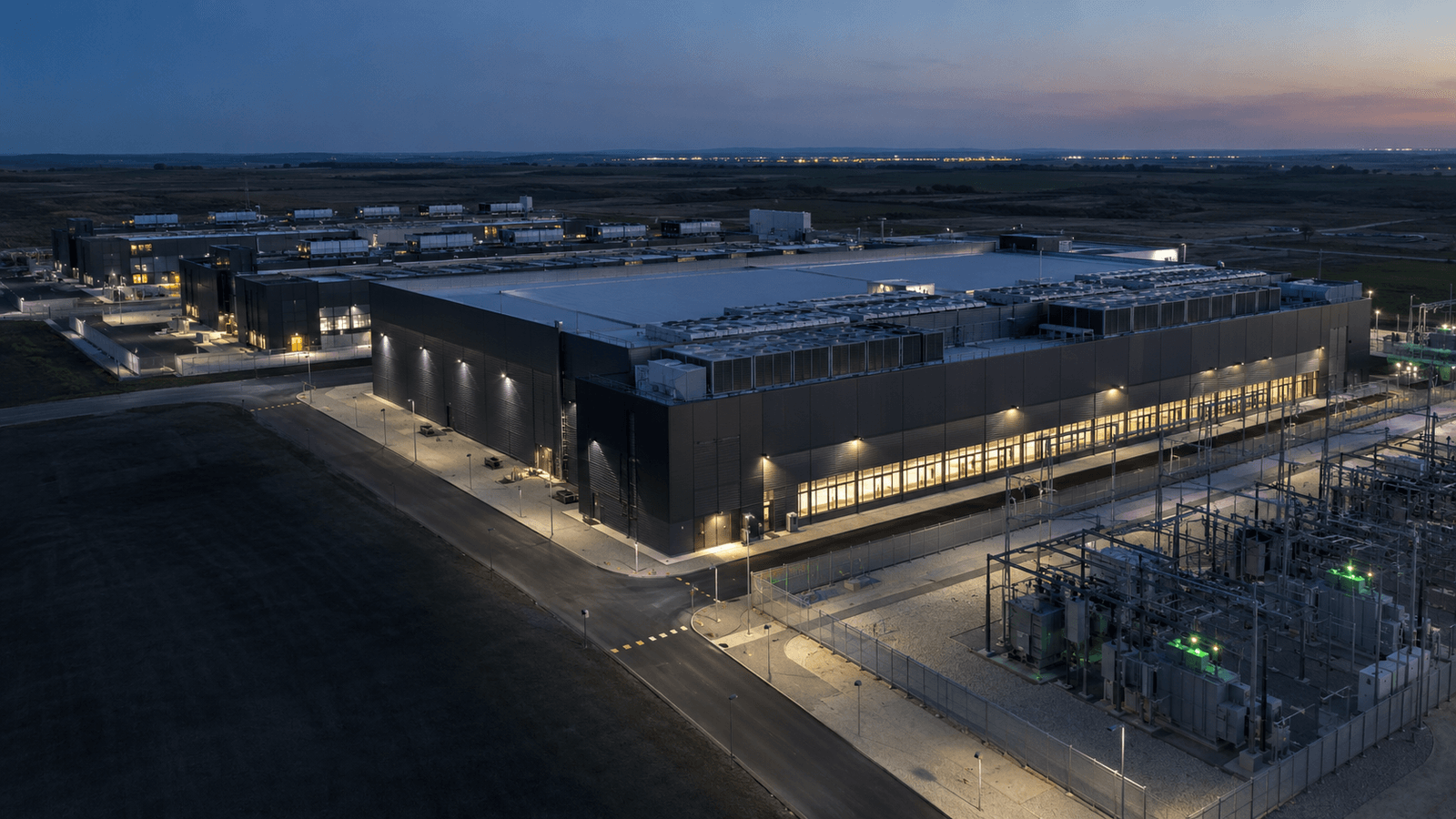 Acceptance
IREN · United States
High evidence — 4 of 4 gates confirmed
Open project record →Illustrative image; not site evidence.
Billing
WULF · United States
High evidence — 5 of 5 gates confirmed
Open project record →Illustrative image; not site evidence.
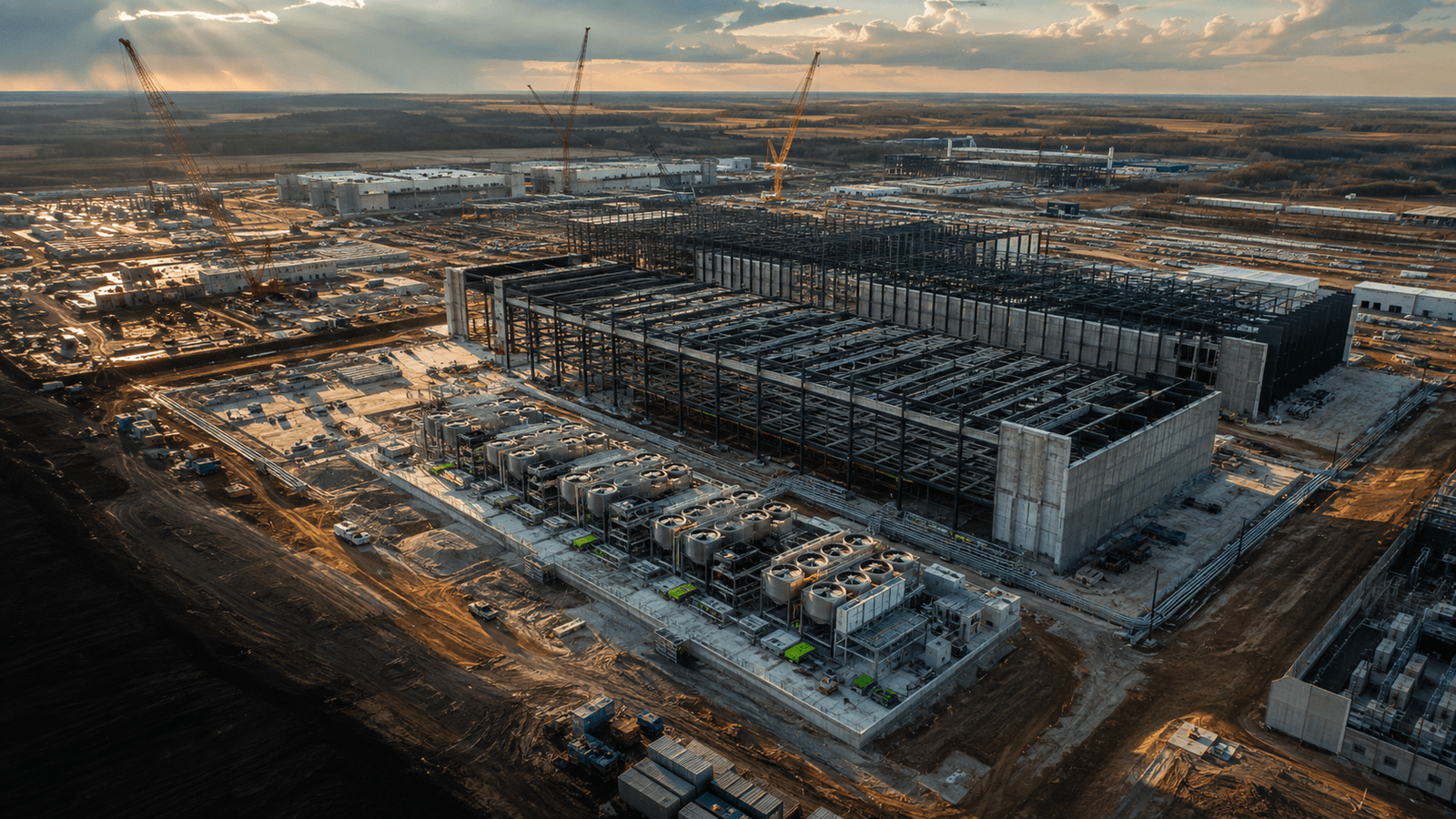 Power secured
KEEL · United States
High evidence — 4 of 5 gates confirmed
Open project record →Illustrative image; not site evidence.
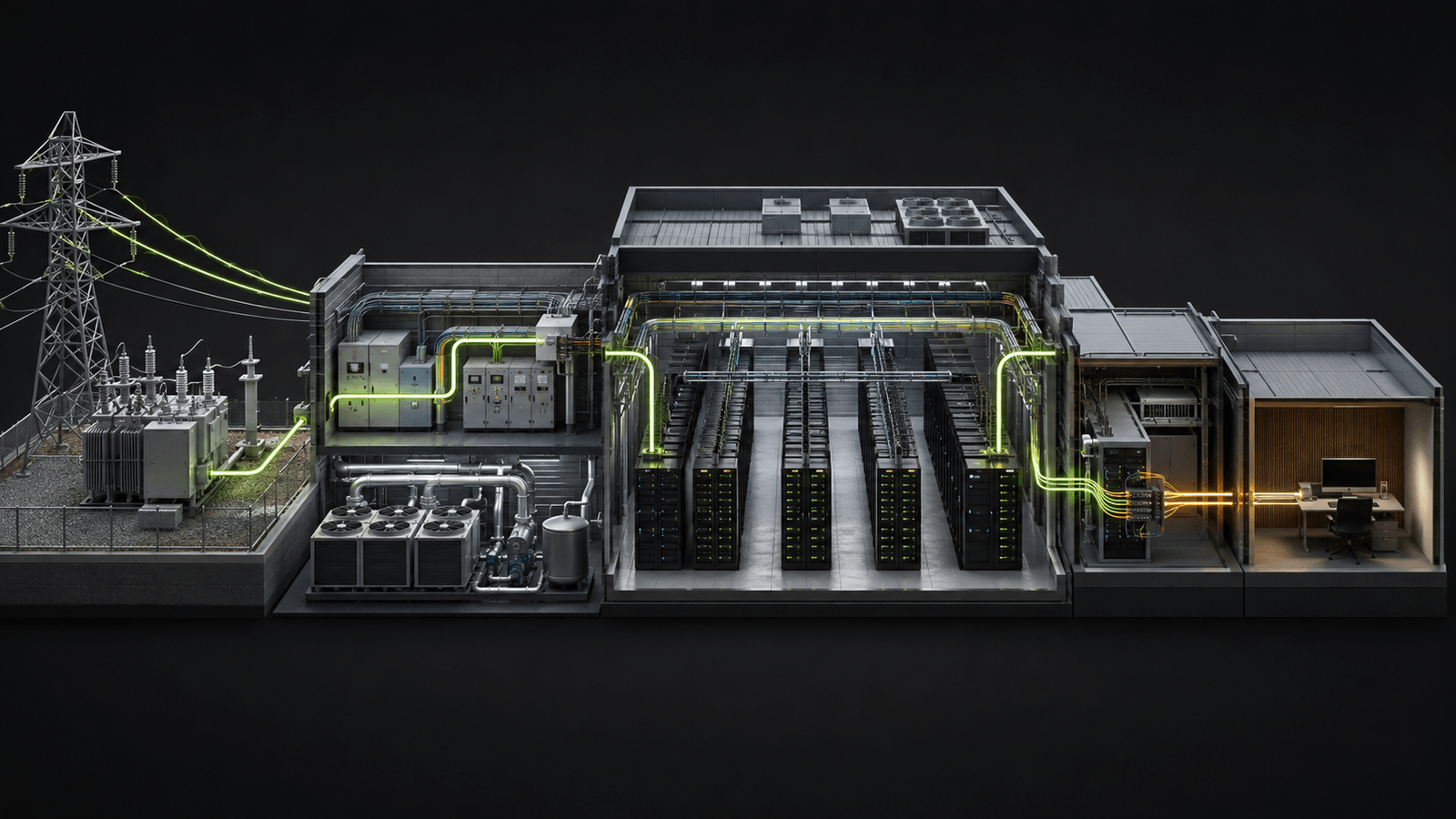
60-second explainer
Step 1 of 5. Press start to step through.
Acceptance and billing are different stages. T2C does not assume one proves the other.
Educational illustration; stages and architecture vary by project.