
02 / Component
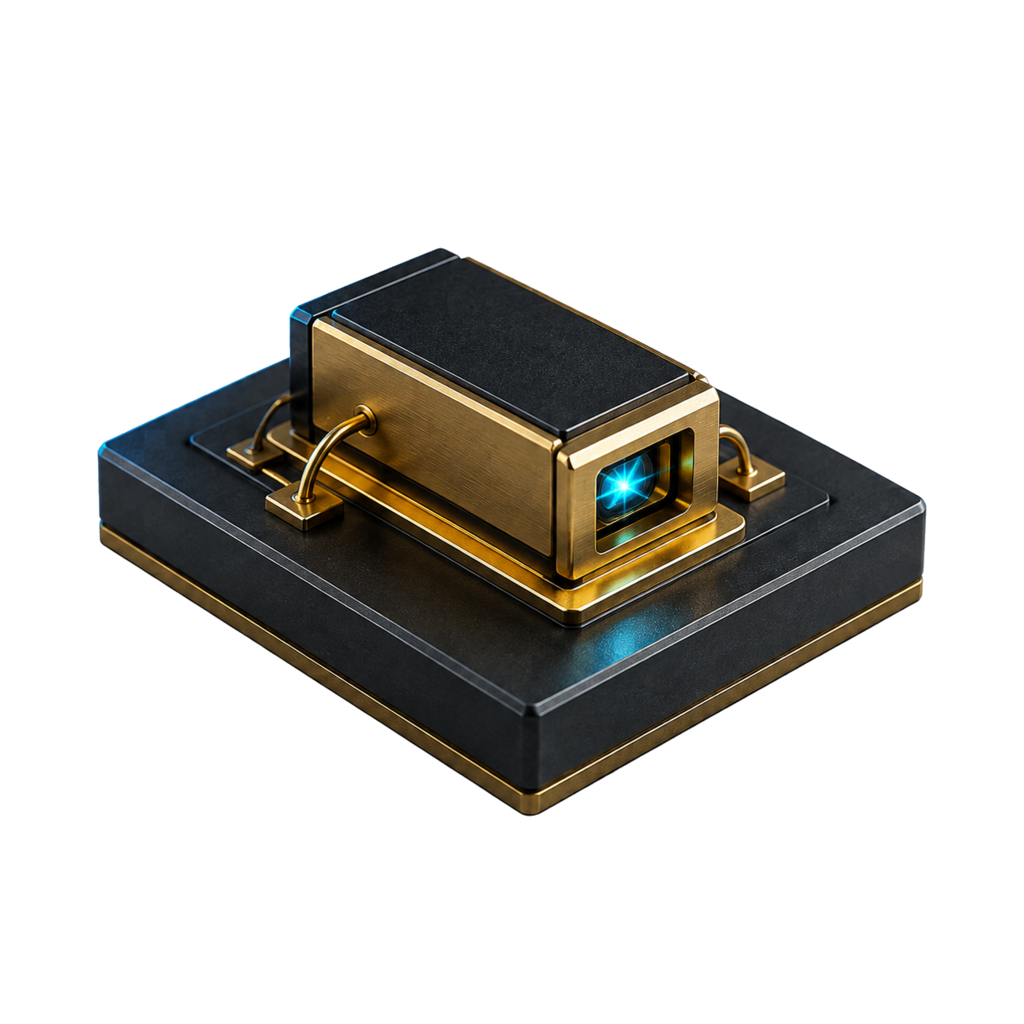
What is a continuous-wave laser?
A laser that emits a steady, unmodulated beam of light at a fixed wavelength, used as the light source that data is later imprinted onto.
(In simple terms: a steady light source, switched into data further down the line.)
Why it matters
Separating the light source from the switching lets each be optimised independently, and lets one laser feed several channels. In co-packaged optics the lasers often sit outside the package entirely, where they can be cooled and replaced more easily.
How it works
- Current is driven through a laser structure grown on an InP wafer.
- The structure emits light at a wavelength fixed by its design.
- The beam is stabilised in power and wavelength, and held steady.
- It is delivered to a modulator, or to several, to be switched into data.
Inputs and outputs
- Made of
- An InP laser die, a wavelength-selective structure, and thermal control.
- Takes in
- InP substrates and precision packaging.
- Produces
- A stable optical carrier for modulation.
Where it gets stuck
Laser output must stay stable across temperature and over years of continuous operation. Yield at the required stability is the practical limit on volume.
A general statement about the technology. It is not a claim about any named project — where T2C can evidence a specific delay, it appears in the intelligence ledger with its source.
Where it sits in the chain
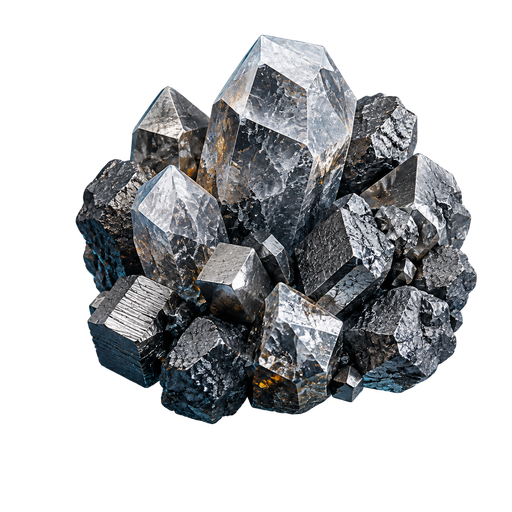
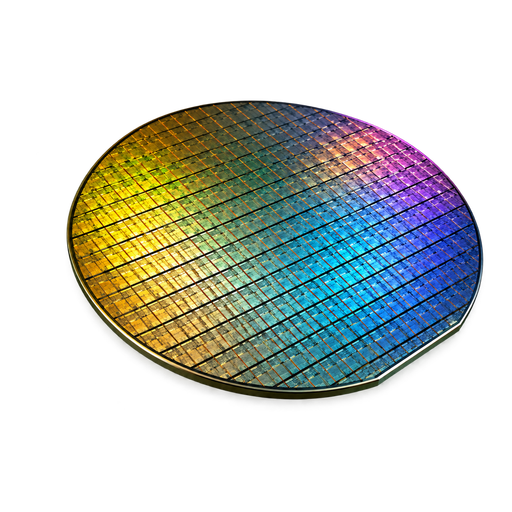
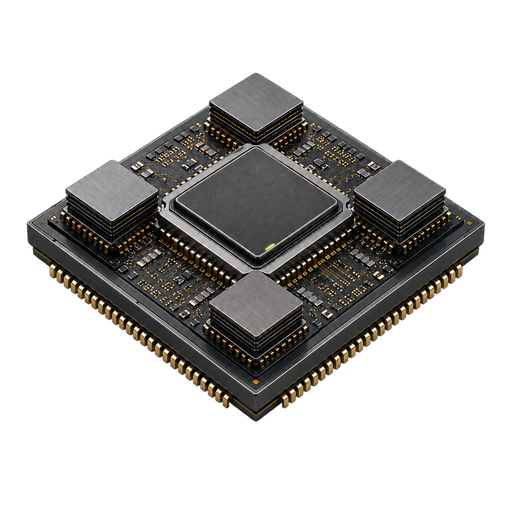



T2C tracks the delivery end of this chain. An upstream stage is shown as having happened — capacity cannot be billing unless the parts were made — and simultaneously as untracked, because no supplier, order or shipment record sits behind it.
Public companies in this area
These companies make the components this stage depends on. Except where a row states a named agreement or a disclosed order, no document links them to any operator, site or contract T2C tracks — making a component is not the same as having been awarded work, and this table never implies otherwise.
| Company | Role in the chain | What the evidence shows | Quote | Source |
|---|---|---|---|---|
| Coherent Corp. NYSE: COHR CW laser | Component maker Produces optical communication components, laser and photonic devices, and transceivers. | Demonstrated only A demonstration of 1.6T optical transceivers built on 200G VCSELs. The company showed the technology working; it did not announce a qualification, an order or a shipment, and named no customer. No counterparty named in the document As of 1 Apr 2025 | Not connected No market-data provider is configured. T2C never prints a stored price. | Coherent Corp. |
| Lumentum Holdings NASDAQ: LITE CW laser | Component maker Produces indium-phosphide lasers, including electro-absorption modulated lasers for high-speed data-centre optics. | Makes the component Its own product page for a 200G PAM4 EML. Establishes that Lumentum makes EMLs. It names no customer — though AXT separately discloses supplying Lumentum, which is recorded on the substrate row above. No counterparty named in the document As of 16 Aug 2026 | Not connected No market-data provider is configured. T2C never prints a stored price. | Lumentum Holdings Inc. |
Glossary
Every term that appears above, defined. Each opens in place.
-
Optics moved onto the switch chip's own package.
co-packaged optics
Placing the optical engines on the same package as the switch chip, so electrical signals travel millimetres rather than centimetres. It saves substantial power and makes the optics much harder to service.
-
The compound semiconductor optical lasers are grown on.
indium phosphide
A compound of indium and phosphorus. Unlike silicon it emits light efficiently, which makes it the base material for the lasers carrying data inside AI clusters.