
01 / Component
What is an indium phosphide substrate?
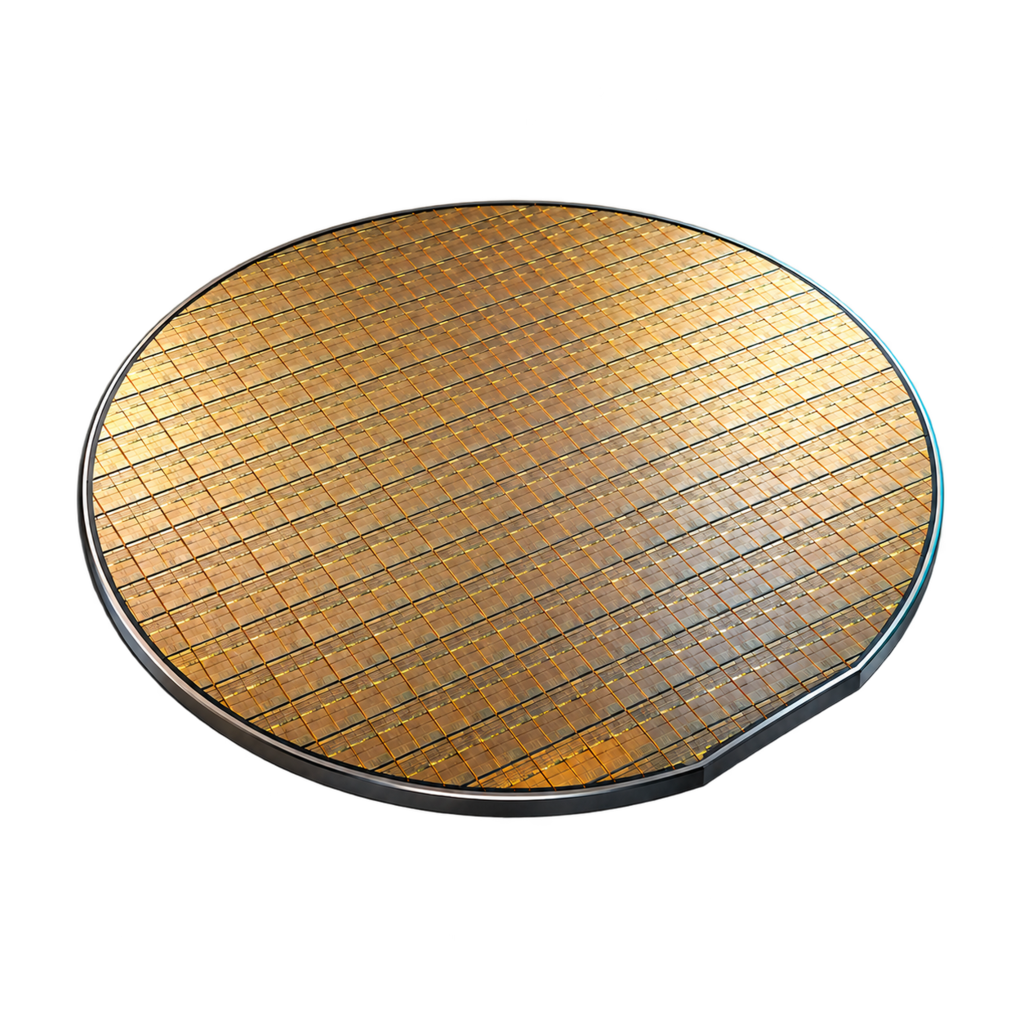
A wafer of indium phosphide, a compound semiconductor, on which data-centre lasers are grown.
(In simple terms: the specialist disc that optical lasers are built on.)
Why it matters
Silicon cannot efficiently emit light, so the lasers that carry data between racks cannot be made from it. Indium phosphide can, which makes it the starting material for almost every laser in an AI cluster — and a very narrow base for the whole optical layer to rest on.
How it works
- Indium and phosphorus are combined and grown into a single crystal ingot.
- The ingot is sliced into wafers and polished.
- Laser structures are grown epitaxially on the wafer surface, layer by layer.
- The wafer is cut into individual laser dies.
Inputs and outputs
- Made of
- Indium and phosphorus, grown as a single crystal.
- Takes in
- Refined indium, which is produced as a by-product of zinc refining.
- Produces
- Polished InP wafers ready for laser epitaxy.
Where it gets stuck
Indium is a by-product metal, so its supply responds to zinc demand rather than to optics demand. Very few companies grow InP substrates at data-centre volume and quality.
A general statement about the technology. It is not a claim about any named project — where T2C can evidence a specific delay, it appears in the intelligence ledger with its source.
Where it sits in the chain
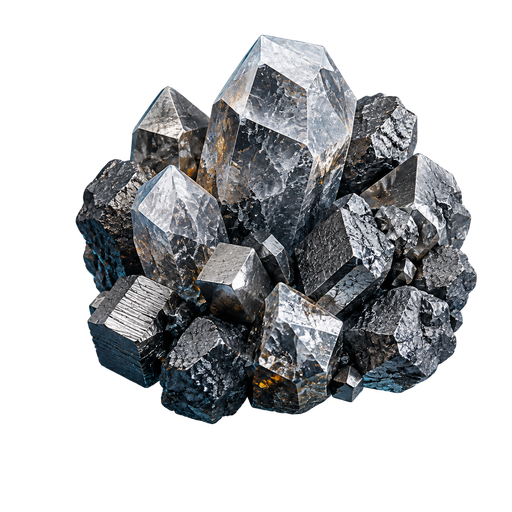
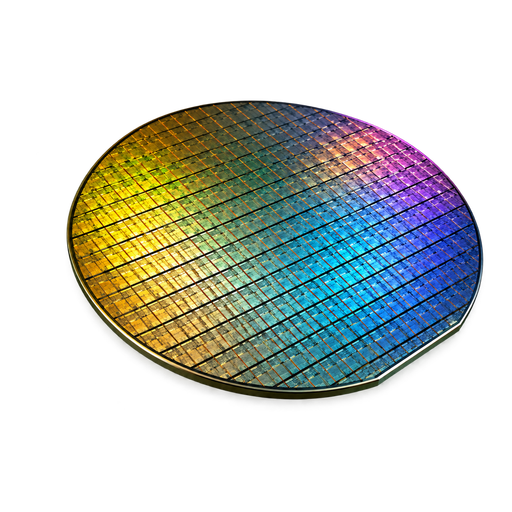
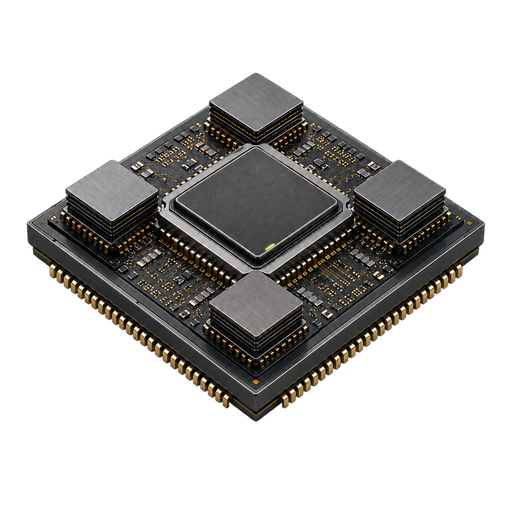


T2C tracks the delivery end of this chain. An upstream stage is shown as having happened — capacity cannot be billing unless the parts were made — and simultaneously as untracked, because no supplier, order or shipment record sits behind it.
Public companies in this area
These companies make the components this stage depends on. Except where a row states a named agreement or a disclosed order, no document links them to any operator, site or contract T2C tracks — making a component is not the same as having been awarded work, and this table never implies otherwise.
| Company | Role in the chain | What the evidence shows | Quote | Source |
|---|---|---|---|---|
| AXT, Inc. NASDAQ: AXTI InP substrate | Material supplier Manufactures compound-semiconductor substrates, including the indium-phosphide wafers that InP lasers are grown on. | Named supply agreement Definitive supplier agreement with Lumentum running to 31 December 2031, with a reserved minimum annual commitment of indium phosphide and two $43.5m deposits applied as shipment credits. Counterparty: Lumentum As of 29 Jul 2026 | Not connected No market-data provider is configured. T2C never prints a stored price. | AXT, Inc. |
Glossary
Every term that appears above, defined. Each opens in place.
-
The compound semiconductor optical lasers are grown on.
indium phosphide
A compound of indium and phosphorus. Unlike silicon it emits light efficiently, which makes it the base material for the lasers carrying data inside AI clusters.
-
Growing crystal layers on a wafer, one at a time.
epitaxy
Depositing successive crystalline layers onto a substrate so that each continues the crystal structure beneath it. Laser structures are built this way, layer by layer.